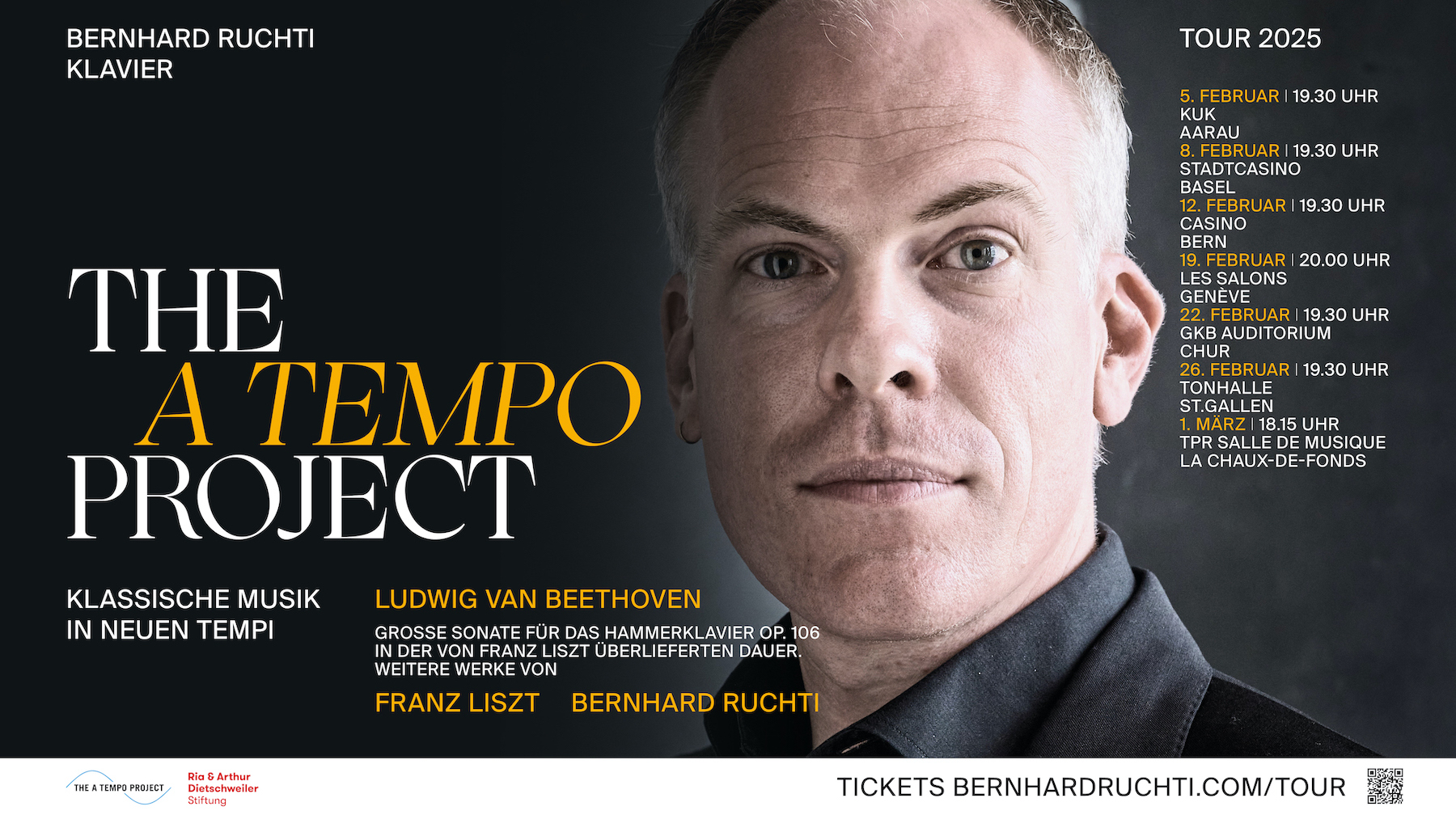
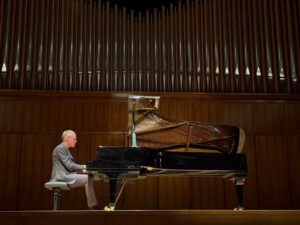
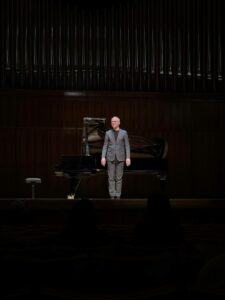
Tempo is the pulse of music. Since 2018, Swiss pianist Bernhard Ruchti has been exploring and interpreting this pulse – and uncovering surprising new ways of interpreting classical music. His work is based on historical research into one of the most important interpreters of the 19th century: Franz Liszt.
Ludwig van Beethoven’s great Hammerklavier Sonata Opus 106 is the focus of Bernhard Ruchti’s tour of Switzerland. He interprets it in the duration handed down by Franz Liszt himself: “presque une heure”. That is noticeably longer than today’s average. For the interpretation, it means one thing above all: more time, more breath and more richness of detail.
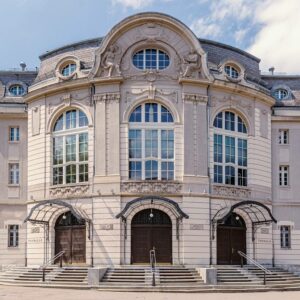
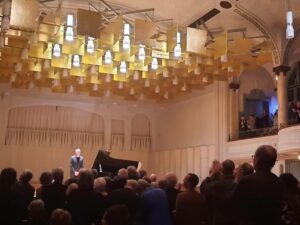
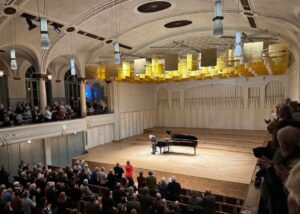
During the tour, the audience experienced Beethoven’s Hammerklavier Sonata, one of the core works of the A Tempo project, in a new interpretation, complemented and contrasted with works by Franz Liszt and Bernhard Ruchti.
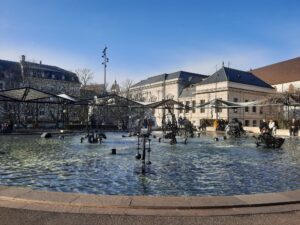
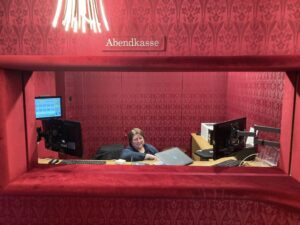
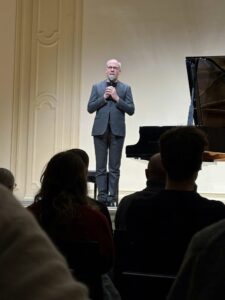
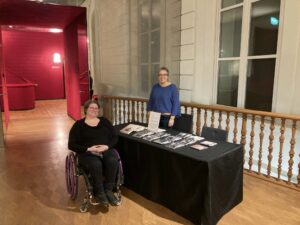
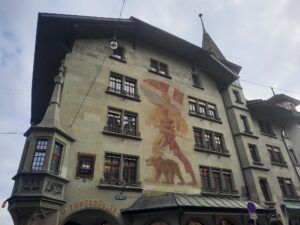
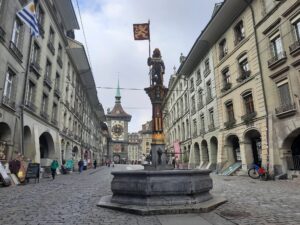
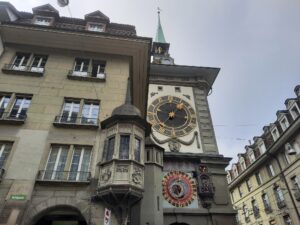
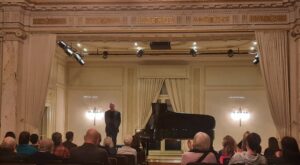
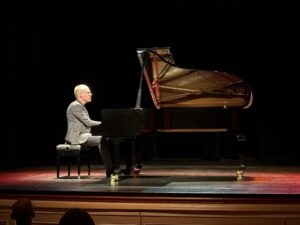
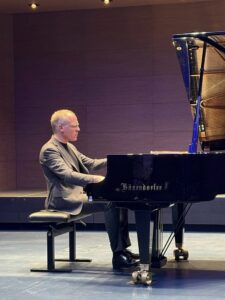
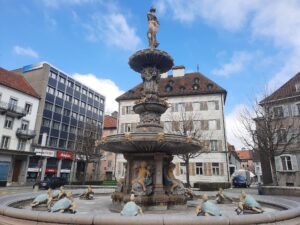
I was the project manager of the tour. I accompanied Bernhard Ruchti during his travels. This post shows an overview in images of the trip.
A few years ago, the president of the Beethoven France Association, Dominique Prévot, shared with me an interesting archive: two letters written by Auguste de Gérando, a descendant of the Brunsvik family. Those who know even a passing familiarity with the story of Ludwig van Beethoven have probably heard of a woman to whom he wrote love letters in 1812 and whose identity remains mysterious, nicknamed the Immortal Beloved, as he calls her in his letters. While musicologists and researchers continue to try to solve this mystery today, we know that two potential candidates, Thérèse and Joséphine, were members of the Hungarian Brunsvik family who were close to Beethoven. The four brothers and sisters, Thérèse, Joséphine, Charlotte and François, spent long hours with him around the piano, whether taking lessons or sharing concerts with an audience of friends and family in Martonvásár Castle, located about thirty kilometers from Budapest. As I was preparing a trip to Budapest, Dominique Prévot told me about her meeting with Judith de Gérando, at the time the custodian of the family archives, very involved in Franco-Hungarian cultural life. In 2009, she had prepared a guide to Martonvásár Castle, which also houses the Beethoven Museum. The idea then came to me to contact Gérando’s family and find out more about what remains of this family close to Beethoven today, the letters of Auguste de Gérando and the conversation between Judith de Gérando and Dominique Prévot being my starting point. Since this article does not aim to solve the mystery of the Beloved Immortal, I limit myself to the known facts about the strong friendship between the composer and the members of the family, as well as their descendants. This work would not have been possible without the support of many people whom I thank, in particular Félicie de Gérando, Dr. Judit Bajzáth of the Martonvásár Museum, and Stefanie Kuban of the Beethoven Archives of the Beethoven-Haus in Bonn.
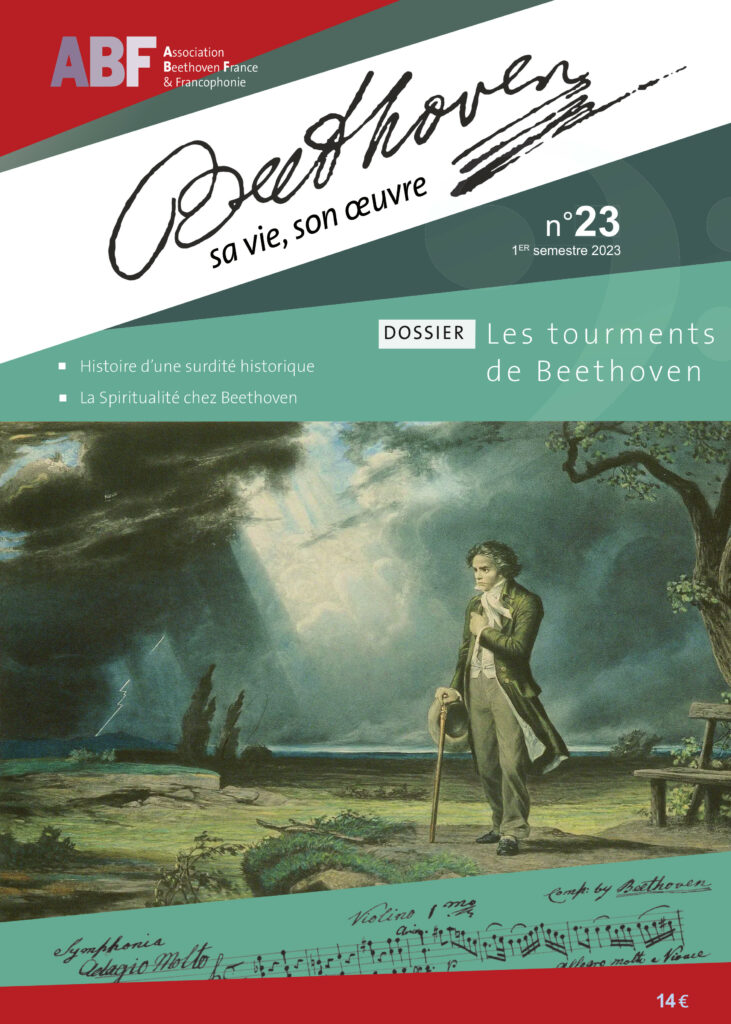
The profession of musicologist is fascinating. It often opens the door to new and unknown elements, even when studying the life and work of composers who left us many years ago. Their music makes them present, and sometimes with an intimacy that we only get an idea of by diving into their past. This is what I feel every year, when the university period is put on hold to make way for research trips. When summer comes, I travel on the roads of Europe in the footsteps of Ludwig van Beethoven and Franz Liszt. This research period also allows me to exchange with other specialists. For example, in 2021, I was in contact with Robin Wallace, author of “Hearing Beethoven”. He had recommended that I contact Tom Beghin, whom he mentions in his book, to talk about one of my research topics: musicians with deafness and instruments vibrations. Beghin is a pianist and researcher specializing in historical pianos. In 2020, his article “Deafly Performing Beethoven’s Last Three Piano Sonatas”, highlighted the years of composition of the three sonatas and the stratagems borrowed by the composer to get the most out of his pianos. This article is about our encounter and my experience with Beethoven’s last piano, the Broadwood.
The pianist Pierre Réach is currently recording all of Beethoven’s piano sonatas. The first box set, which contains two CDs, is available from Anima Records. The second part was recorded in July. This new box set, scheduled for release at the end of 2022, will contain nine sonatas on three CDs. The next recording session is planned for early 2023. During this interview, we learn more about Pierre Réach’s passion for Beethoven, from his musical apprenticeship to recent recordings.
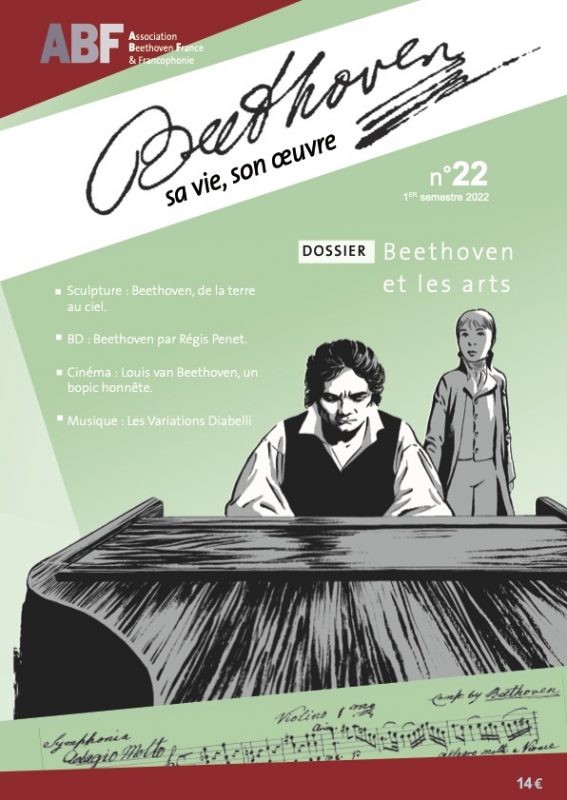
Régis Penet has always drawn with musical accompaniment. He listened to a lot of Beethoven, less now because Beethoven lends itself rather poorly to distracted or partial listening. The biography of Beethoven by Jean and Brigitte Massin and listening to the Pastorale and the Concerto l’Empereur were the starting points for his Beethoven project. On May 18, 2021, pianist George Lepauw and cartoonist Régis Penet shared a moment of music and drawing during an event organized by the publishing house La Boîte à Bulles in partnership with the Association Beethoven France, on the occasion of the release of Régis Penet’s album, “Beethoven, the price of freedom”. The ABF also had the chance to take part in the proofreading of the original project before publication, and in the creation of the Deezer playlist associated with the book. In October 2021, Régis Penet was interviewed by Diane Kolin.
The following article presents a mixture of musical history and analysis of musical excerpts. The passages oriented towards the interpreter, sometimes somewhat technical, are kept here in order to offer the possibility of testing the hypotheses put forward. The subject of the first metronomic indications has always been a long-standing enigma for artists and researchers. Conductors and musicians face the difficult task of interpreting the tempi of 19th century works, containing metronomic indications that appear incorrect based on our current standards. The pianist, organist and composer Bernhard Ruchti studied different hypotheses concerning the first original metronomic and tempi indications. The series of videos he produced under the name “A Tempo Project” illustrates original interpretive tempi of important 19th century works. His research includes valuable analyzes of scores and musicological sources such as concert press articles, correspondence, original manuscript annotations, and recordings of studied works. Ruchti illustrates the impact of the view of tempo indications on period concerts and offers a wide range of explanations for interpretations of early metronome markings.
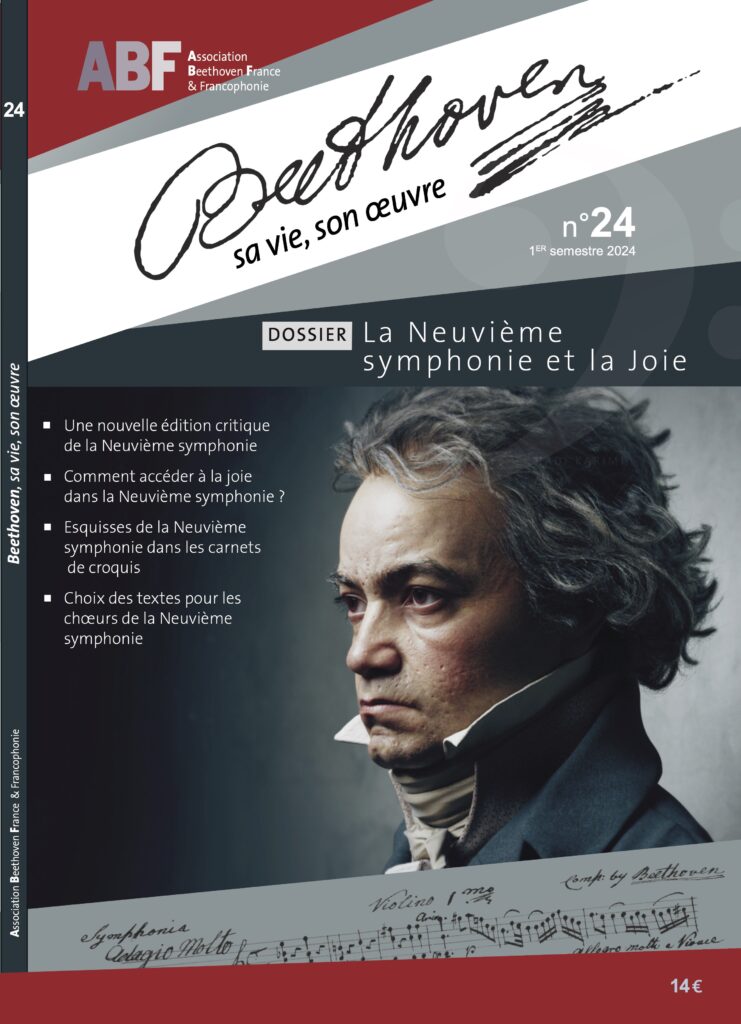
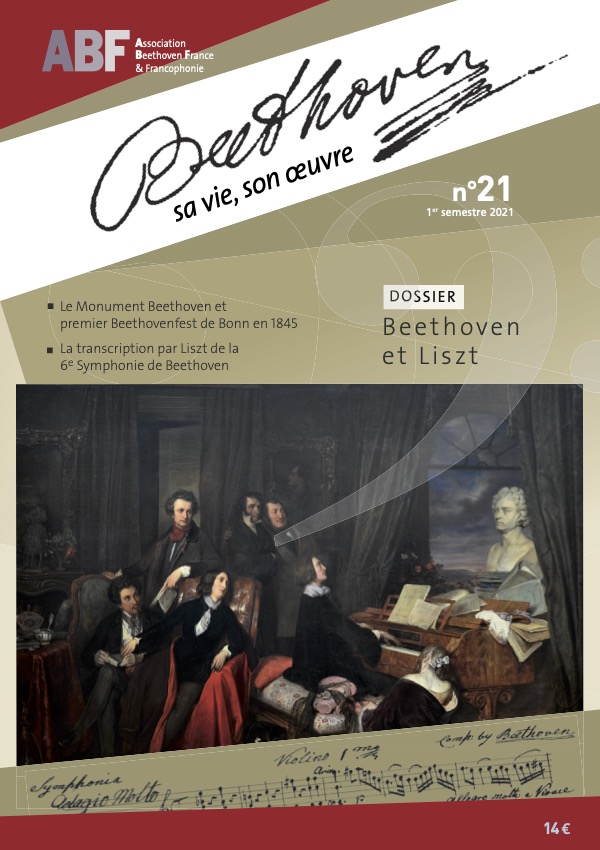
At the time of Beethoven’s death, there was no public place in Germany honoring a composer. France had a statue of Gluck, and the United Kingdom a statue of Handel. Between Beethoven’s death and the unveiling of the statue representing him in 1845, Germany placed a plaque in honor of Haydn in Vienna, installed a bust of Bach in the St. Thomas School in Leipzig, and a sculpture from Mozart to Salzburg. Of all these tributes, none provoked as much controversy as that of Beethoven. While the initial idea was already mentioned by the University of Bonn shortly after 1827, the year of Beethoven’s death, it became public in 1832, and official in 1835 with the formation of the Beethoven Society and the Beethoven Monument Committee. This monument was not inaugurated until 1845. It was Bonn, where he was born, and not Vienna, where he spent most of his life, that was chosen as the place of homage.
Approaching the piano on the stage of the Ranelagh Theatre on this night of December 2019, Pascal Amoyel admits that he doesn’t usually addresses the audience before a show but that this night was special: he would perform the Pathetique sonata for the 300th time. 300 different interpretations. A 300th time that projects him back to his Conservatory years where he was “formatted”: “Schubert is performed this way and Beethoven that way, don’t look elsewhere, we found for you”. And then the competitions in these gigantic concert halls, empty, with only the jury in the first raw and the teachers in the second raw for audience. And this first time he heard the Pathetique perfromed by a musician who looked so sad that it stopped him: “I don’t want to become like him”. It was in a park that everything became different. He heard this melody that he didn’t recognize, that moved him! It was Opus 111 but he didn’t know it yet. Was it Beethoven? Only one way to know: explore his works.
Being an expatriate is not easy, being far from our country, our family, sometimes our language. But one language is universal, everybody understands it: music. When I arrived in Toronto in Canada, where I was sent by my company to work on a contract, I looked for a choir to sing with. Here, to sing in a choir is very common, there are many, in all styles and sizes. I confess that I was searching for an ensemble with strong musicality and high quality of performers. I was lucky enough to audition for a very good choir at the time, Pax Christi Chorale. More than an amateur choir, it hires professional musicians to accompany the choristers and is joined by many professional singers within the ensemble. During concerts, the soloists are also professional vocal artists, appreciated and renowned in Canada. My background is in jazz but classical music was always important in my musical journey. In this article, I converse with the conductor David Bowser, at the time artistic director of this choir, promoter and admirer of the music of Beethoven.